-
Sustainability of the South African Livestock Sector towards 2050. Part 1: Worth and impact of the sector
Author: H.H. Meissner, M.M. Scholtz & A.R. Palmer
Year: 2013
Issue: 3
Volume: 43
Page: 282 – 297Livestock production in South Africa contributes substantially to food security. It is also a topic of public debate because of lack of knowledge and wrong information. This article aims to provide information on the worth and impact of the livestock sector; information and statistics providing a baseline to guiding sustainability towards 2050.
Seventy percent of agricultural land in South Africa can be utilized only by livestock and game and species are found in all provinces with high concentrations in the eastern higher rainfall regions. Statistics in 2010 indicate 13.6 million beef cattle, 1.4 million dairy cattle, 24.6 million sheep, 7.0 million goats, 3 million game species (farmed), 1.1 million pigs, 113 million broilers, 31.8 million layers and 1.6 million ostriches.
The gross value of livestock products increased by 185% from 1995/2000 to 2006/2010. In relation to field crops and horticulture, livestock products increased their position from 42% to 47% of gross agricultural value. The main reason was a rise in the value and demand for livestock foods, particularly meat. Livestock foods contribute 27% of the consumer food basket on a weight basis. Consumption of livestock foods resembles that of developing countries with meat consumption being 50 – 90 g/capita/day, milk and dairy products 120 – 130 g /capita/day and eggs 15 – 20 g/capita/day.
Since this is the average for the country with consumption by the rich and poor often differing tenfold, consumption of livestock foods by the poor is of concern, given the many health attributes of livestock foods. The livestock sector in South Africa is a major role player in the conservation of biodiversity through a variety of well-adapted indigenous and non-indigenous breeds and rare game species. It has also shown commitment to rangeland/ecosystem conservation through conservative stocking rates, with several studies and observations reporting improvement in the condition of the natural resource.
The sector has always been a major employer, but employment rate has declined steadily since 2000 because of increased minimum wages, fewer commercial farmers and increased property size. Some 245 000 employees with 1.45 million dependants, in addition to dependants on communal land and emerging farms, are employed on 38 500 commercial farms and intensive units with wages amounting to R 6 100 million (South African rand). Livestock farming is the backbone of the socio-economy and provides the sustenance of most non-metropolitan towns and rural communities.
Keywords: Biodiversity, livestock foods, livestock numbers, Production, socio-economic impact
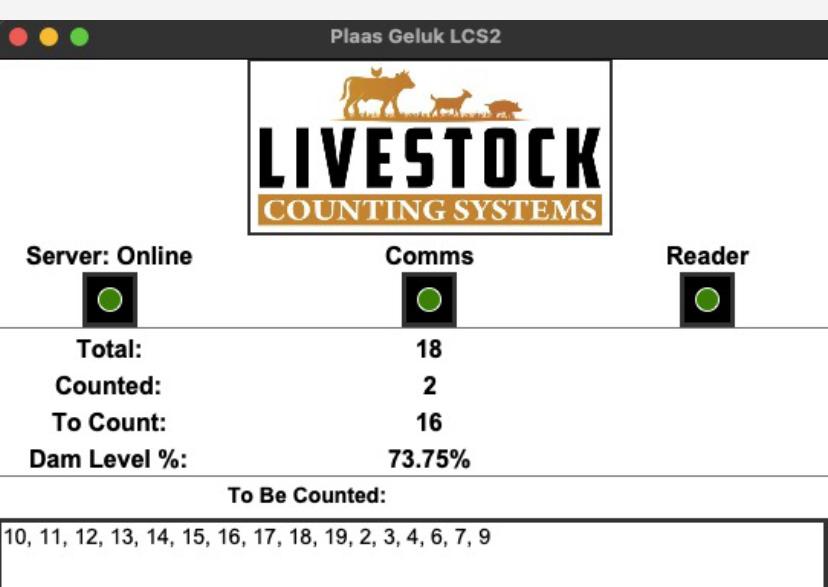
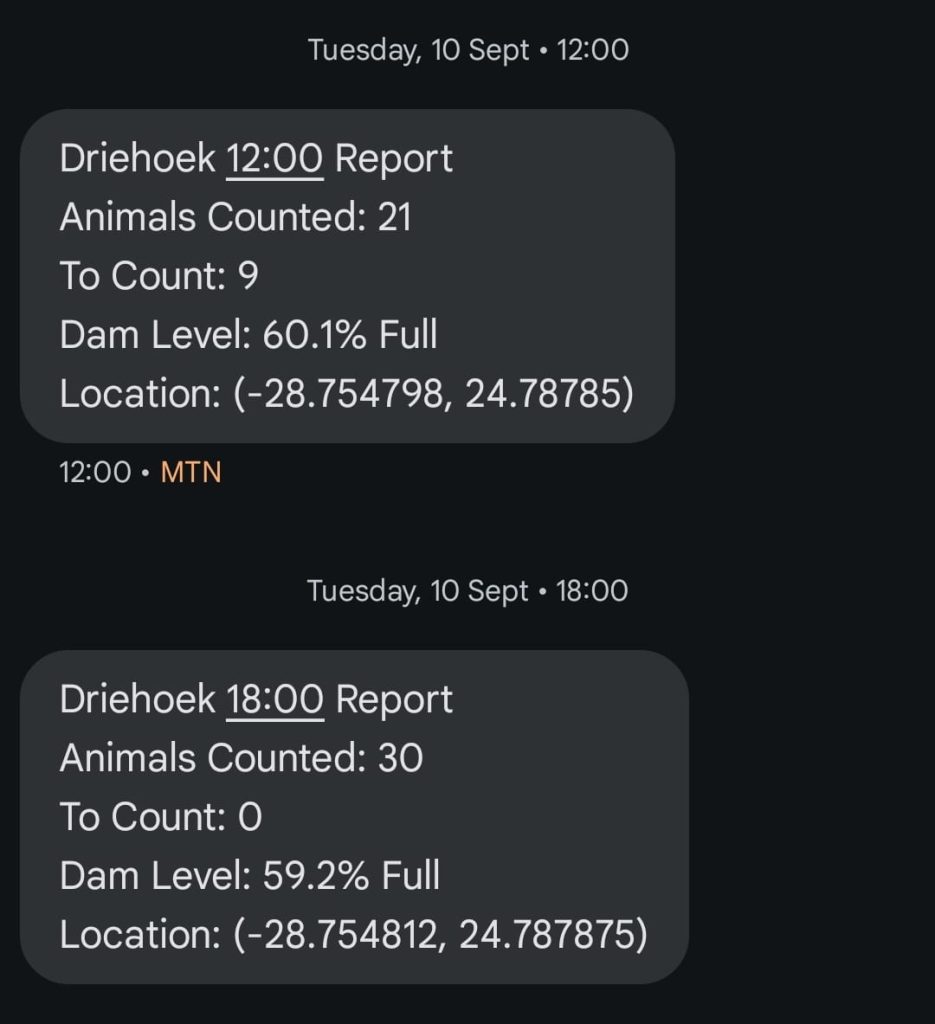
It is only when one starts to think of all the different applications that the real practical value of the Livestock Counting System is appreciated.
🐄 Livestock Counting Systems South Africa: Where Smart Farming Begins
In the rolling fields of South Africa, a quiet revolution is underway. Farmers are trading clipboards for dashboards, guesswork for precision, and manual headcounts for real-time data. At the heart of this transformation is Livestock Counting Systems (LCS)—a proudly South African innovation that’s reshaping how herds are managed, tracked, and understood.
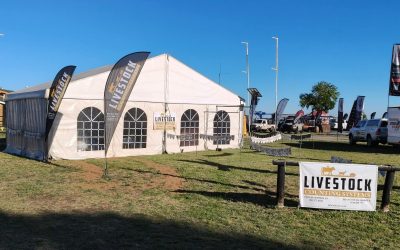
🚜 Live from NAMPO ALFA Expo 2025: Innovation Meets the Outdoors
We’re thrilled to be attending the NAMPO ALFA Expo 2025 at NAMPO Park, where agriculture, technology, and outdoor adventure converge in spectacular fashion. This year’s event is buzzing with energy, and we’re proud to be part of a gathering that’s redefining the future of livestock management and rural lifestyle.
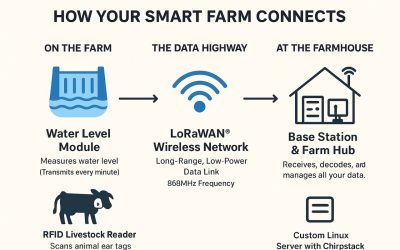
🌾 Smart Farming, Simplified with LoRaWAN
Farming is hard work—but managing your farm shouldn’t be. If you’re tired of manual checks, endless paperwork, and the constant guesswork that comes with traditional farming, it’s time to upgrade. Our new integrated LoRaWAN system brings real-time data from your fields straight to your farmhouse, giving you complete control and peace of mind.